

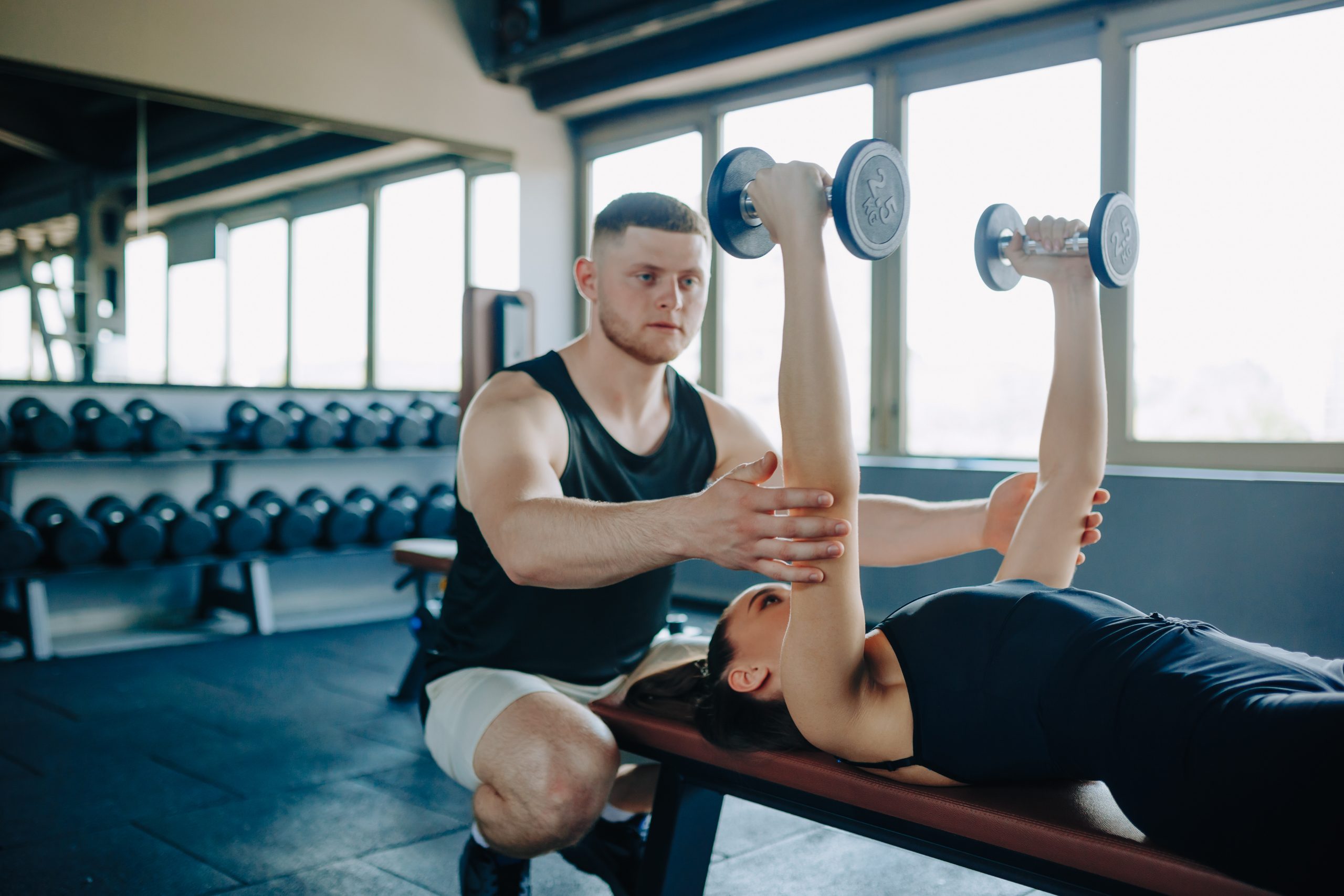
How to Become a Certified Personal Trainer
Becoming a personal fitness trainer is one of the few career paths in 2026 where you can genuinely say your job is to make people’s lives better. But in a city as competitive as Dubai, you can’t just throw on a tracksuit and call yourself a coach.
The fitness training companies in Dubai are rapidly increasing and if you are someone looking to build a career as a fitness trainer, Dubai has it. You can become a certified Dubai fitness trainer with the different recognized certification programmes Dubai offers. Health and fitness is gaining strong importance and fitness trainers in Dubai have strong career opportunities, and support from leading fitness training companies in Dubai.
Empower Your Health Transformation with JFIT
Dubai's trusted certified personal training team
Certified trainers
Every coach is internationally certified
Results-driven plans
Personalised to your body and goals
Flexible scheduling
Morning, evening & weekend slots
Phase 1: The Foundation of Knowledge
Before you can lead others, you have to master the science. In 2026, a "weekend course" won't cut it. To be a credible personal fitness trainer, you need to understand the human body at a deep level. This starts with an accredited Level 3 Personal Training Diploma.
When you are looking at personal fitness training providers, you must ensure they are recognized by the Register of Exercise Professionals (REPs) UAE. This is the governing body that sets the standards for the industry. A high-quality course will dive into anatomy (how the bones and muscles move), physiology (how the heart and lungs respond to stress), and nutrition (how to fuel the machine).
If your certification isn't recognized by REPs, you’ll find that most reputable gyms in the city won't even let you past the front desk.
Phase 2: Mastering the "Soft Skills"
You can be the smartest person in the room when it comes to biomechanics, but if you can’t talk to people, you’ll never make it as a personal fitness trainer. This job is 50% fitness and 50% psychology.
One of the best ways to learn this is to shadow a personal fitness trainer near me. Watch how they handle a client who is having a bad day at work. Notice how they explain complex movements in simple English.
Some things like building rapport and listening to a client’s fears cannot be learned from textbooks. This "in-the-trenches" personal trainer training is what separates the average coaches from the elite ones who have waiting lists months long.
Phase 3: Legal Compliance and Licensing
Dubai has strict rules for the fitness industry as well. If you have your Level 3 certificate, you need to make it legal. This involves several steps:
- First Aid and CPR: You must hold a valid, up-to-date certificate. Safety is non-negotiable.
- REPs Registration: You submit your certificates and pay an annual fee to be on the official register. This is your "license to practice."
- Work Visa: If you aren't a UAE national, you need a visa. You can either be sponsored by a gym or apply for a Freelance Permit.
Many people starting out in personal training in Dubai choose the freelance route because it gives them the freedom to work with different clients in different locations.
Phase 4: Finding Your Niche
When someone searches for a personal trainer near me, they are often looking for a specific solution to a specific problem. You have to specialize to succeed.
It can be corrective exercise for people with back pain or an expert for pre-natal personal fitness. Or perhaps specialize in high performance coaching for amateur triathletes.
When you are a specialist, you can charge higher rates and attract clients who are actually a good fit for your style of personal trainer training.

Phase 5: Building the Business
Once the paperwork is done and you have your specialty, it’s time to find clients. In Dubai, word-of-mouth is a powerful tool, but your digital presence is also very important.
You can share success stories and post helpful videos. Videos that solve common problems connect easily with the audience. You should also be consistent.
When clients look for a personal trainer in Dubai, they will check your Instagram or LinkedIn before they ever call you. They want to see that you are professional, knowledgeable and personable.
The Financial Reality of the Job
Let's talk numbers, because passion doesn't pay the rent in Dubai. If you work as an employee in a big gym, you might start with a base salary of 4,000 to 6,000 AED, plus commission.
This is a great way to start because the gym provides the equipment and the clients. However, if you have your own personal fitness trainer freelance license, you can charge anywhere from 200 to 450 AED per hour.
Of course, as a freelancer, you have to pay for your own transport, your own health insurance, and your own license renewals.
Most successful coaches who offer personal training in Dubai find that a mix of both worlds works best initially—building a reputation in a gym before moving to a fully independent personal fitness model.
Conclusion
Becoming a personal fitness trainer is a journey of constant learning. And the fitness industry in Dubai is fast and exciting and full of potential.
It is a promising space for those willing to do the work. With the right certification and passion for health, you can build a strong and rewarding career.
Dubai’s growing fitness culture offers endless opportunities to trainers who are knowledgeable and professional and committed to helping others.
Frequently Asked Questions
You can complete the theory part of your personal trainer training online. However, reputable certifications require practical, face-to-face assessments to prove your real-world coaching ability.
These are usually celebrity trainers or those with advanced medical or sports science qualifications. However, many highly qualified trainers in the AED 300–400 range can deliver excellent results.
A degree in Sports Science or Physiotherapy is beneficial but not mandatory. A Level 3 Diploma is the minimum requirement to start working legally as a personal fitness trainer.
