

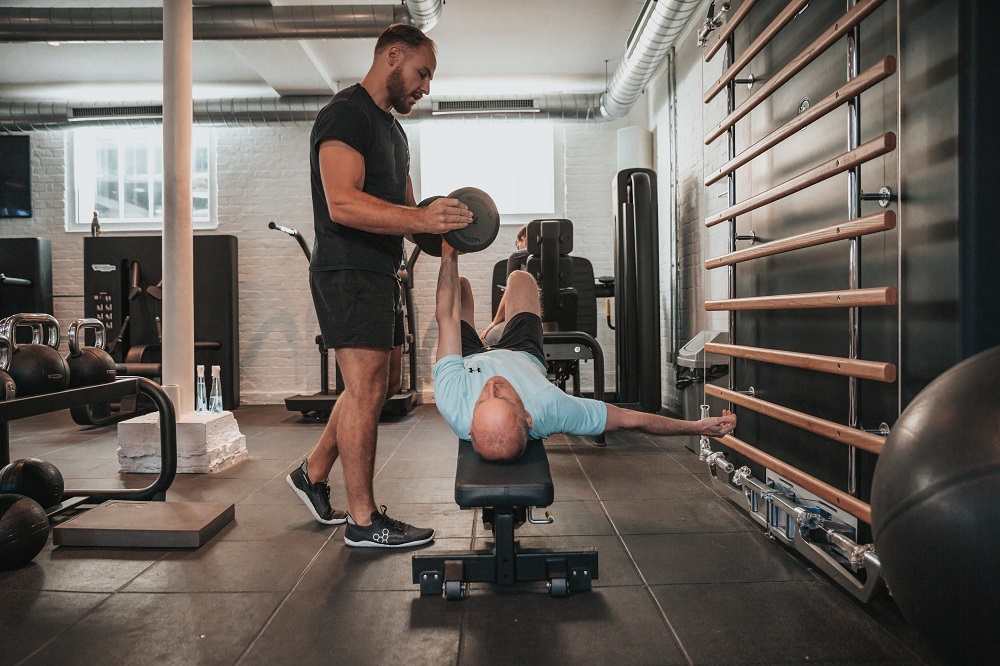
Personal Fitness Coach Near Me for Senior Fitness
Let’s be real about getting older. There are plenty of great things about reaching your sixties, seventies, or beyond. You’ve got more life experience, usually more free time, and hopefully a lot less interest in worrying about small, silly things. But then there is the physical side of it. Simple things like lifting a heavy bag or carrying groceries can suddenly feel like a much bigger task.
Most people think that this is simply a part of getting old. You accept it as your new reality. But here’s the truth: a massive chunk of what we blame on "getting old" is actually our bodies reacting to moving less. Muscles naturally become weaker if we don’t use them, while balance can become less steady when we stop challenging it.
Empower Your Health Transformation with JFIT
Dubai's trusted certified personal training team
Certified trainers
Every coach is internationally certified
Results-driven plans
Personalised to your body and goals
Flexible scheduling
Morning, evening & weekend slots
Not Generic Fitness Plans for Seniors
The average online workout or generic group class completely ignores the realities of an older body. They don't consider your wear and tear, past back issues, or blood pressure concerns. Trying to force your body through high-impact jumps or awkward lifts just to keep up with a class can leave you dealing with unnecessary discomfort or injury.
Senior fitness isn't about working until you feel exhausted or pushing through joint pain. It’s about longevity. It starts with understanding how your shoulders actually rotate, how steady your ankles are, and where your hips feel tight. When you start searching for a personal fitness coach near me, you need someone who knows how to adapt the program around your body, not someone who tries to force your body into a rigid program.
Keeping Your Balance and Staying Off the Floor
There is one thing that most older adults worry about more than almost anything else: losing their independence.
As we get older, reaction speed can naturally slow down a little. A tiny stumble over a rug or an uneven surface can become a serious accident before you even realize what happened.
A good training program for seniors doesn't treat balance like an afterthought. But that doesn't mean simply standing on one leg until you fall over. Real balance work involves building up your core and glutes so your hips remain stable. It also means strengthening the smaller muscles in your feet and ankles.
With consistent training, these movements can help you become more confident with everyday activities such as walking, changing direction, stepping over objects, and getting up from a chair.
Using Muscle Strength to Protect Painful Joints
As you age, when your knees and lower back begin to ache, sitting in an armchair all day can make the problem worse. The joints in your body rely on the muscles around them to provide support and help absorb everyday loads. When these surrounding muscles become weak, everyday movements can feel more demanding.
Building strength as a senior isn’t about puffing out your chest or looking good on a beach. It’s about building a protective layer of strength around your frame. If your thighs are strong, they can help support your knees during everyday movements. A strong upper back can help you maintain better posture, while strong glutes can provide additional support for your lower body and back.
Using simple tools such as resistance bands, light dumbbells, or basic bodyweight movements can be enough to develop useful strength. The important thing is choosing exercises that match your current ability and progressing gradually.
Reclaiming Your Everyday Energy
Sometimes you spend an entire day sitting around doing nothing, but still feel completely exhausted by evening. Inactivity can create that cycle. The less you move, the less comfortable everyday physical activity can become, and gradually even basic daily chores can leave you feeling tired.
Consistent, low-impact exercise can help break that cycle. Getting your blood moving and regularly challenging your muscles can support your overall fitness, mobility, and energy levels.
You’ll notice the difference in your normal weekly routine way before you see it anywhere else. You may make it through your grocery run without needing to lean on the cart, play with your grandkids without worrying about how you're going to stand back up, and still have energy left over to enjoy your evenings.
Sharpening Your Brain
Daily movement is also important for maintaining cognitive health as you age. When you perform exercises that require coordination, balance, and concentration, your brain has to process several things at the same time. This makes activities such as controlled strength exercises, balance drills, and coordinated movements useful additions to a senior fitness routine.
Regular physical activity is associated with overall brain and cognitive health, which is another reason movement should remain part of your routine as you get older. You don't have to perform complicated exercises. Even simple movements that require you to pay attention to your body can provide a valuable mental challenge.
The Right Coach
Every personal trainer will not know how to handle senior fitness. A young trainer whose main client base is high school athletes or people trying to look lean for summer might not have the patience, empathy, or practical understanding needed to work with an aging body.
When you go looking for a personal fitness coach near me, check how they handle your first conversation. They should spend most of their time asking you questions and listening. They should ask about your medical history, any surgeries you’ve had, existing limitations, and what you actually want to be able to do in your daily life.
You want a professional who values control over intensity, who watches your posture carefully, and who knows how to modify an exercise if your shoulder, knee, or back does not feel comfortable on a particular day. The right coach should make you feel supported rather than pressured.
Conclusion
Getting older doesn't mean you're forced to accept weakness, poor balance, or daily aches as a permanent lifestyle. Your body is capable of adapting when you give it the right stimulus and allow enough time for recovery. By focusing on safe strength work, steady balance training, and controlled movement, you can support your independence and continue enjoying your favorite pastimes.
Getting the right expert in your corner is an investment in your freedom. A knowledgeable personal fitness coach near me can help you build a training routine around your current abilities, goals, and lifestyle, allowing fitness to become something that supports your everyday life rather than something you have to struggle through.
Frequently Asked Questions
Yes, resistance training can be appropriate for many older adults when it is introduced at the right level and performed with proper technique. Strength training can help maintain muscle strength, support bone health, improve stability, and make everyday movements easier. If you have existing medical conditions, significant joint problems, or have recently undergone surgery, it is sensible to discuss your exercise plans with your healthcare professional before beginning a new training program.
Yes. You can improve your cardiovascular fitness without using a treadmill or exercise bike. Depending on your fitness level, a trainer can use controlled circuits, brisk walking, marching movements, step-based exercises, light resistance exercises, or other low-impact movements to gradually raise your heart rate. The exercises should always be selected according to your mobility, fitness level, and any existing health considerations.
Two to three structured training sessions per week can be a practical starting point for many seniors. This gives your body regular opportunities to work on strength, balance, mobility, and cardiovascular fitness while still allowing recovery time between sessions. Your ideal schedule depends on your current fitness level, health, goals, and the type of training you are doing.
